
Dr Abiose M O Haara MD
Fine Artist & Family Doctor






-
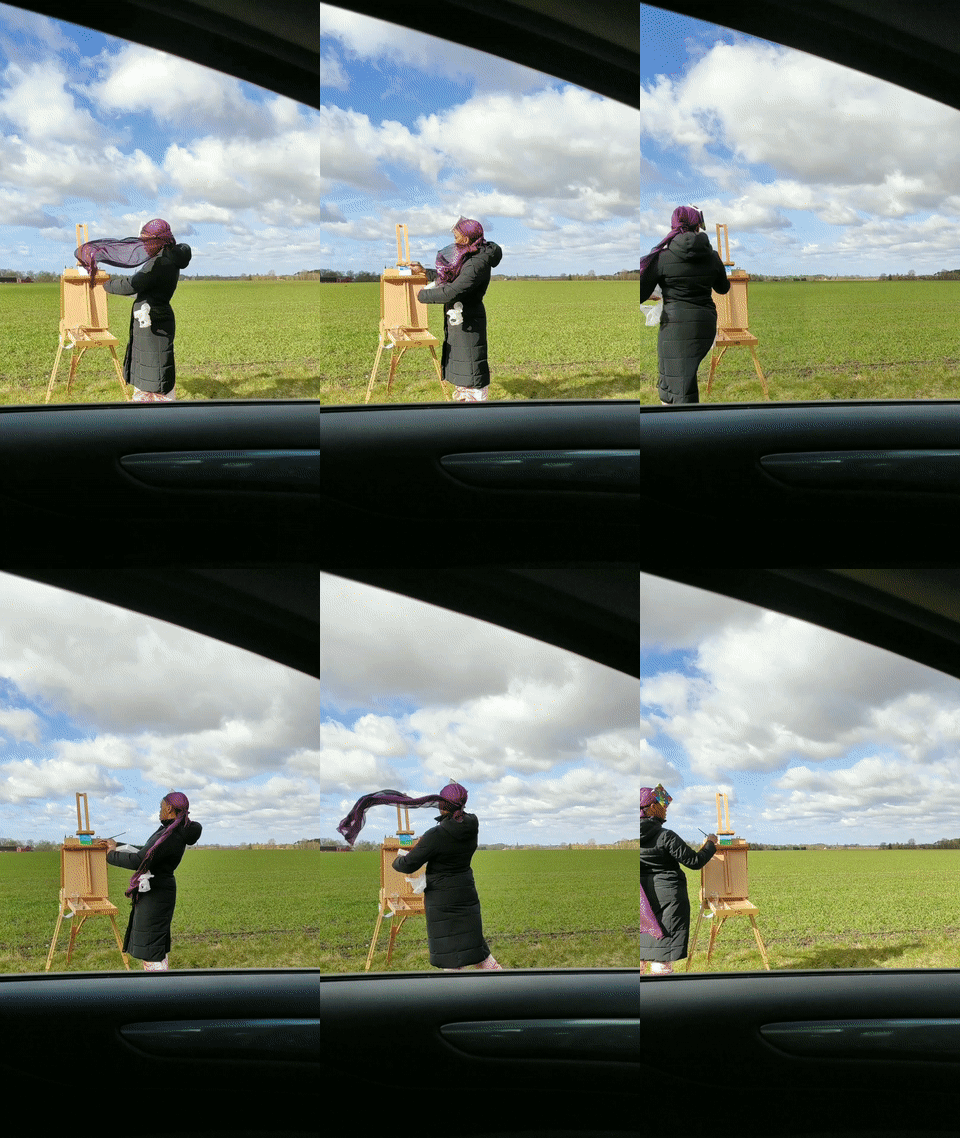
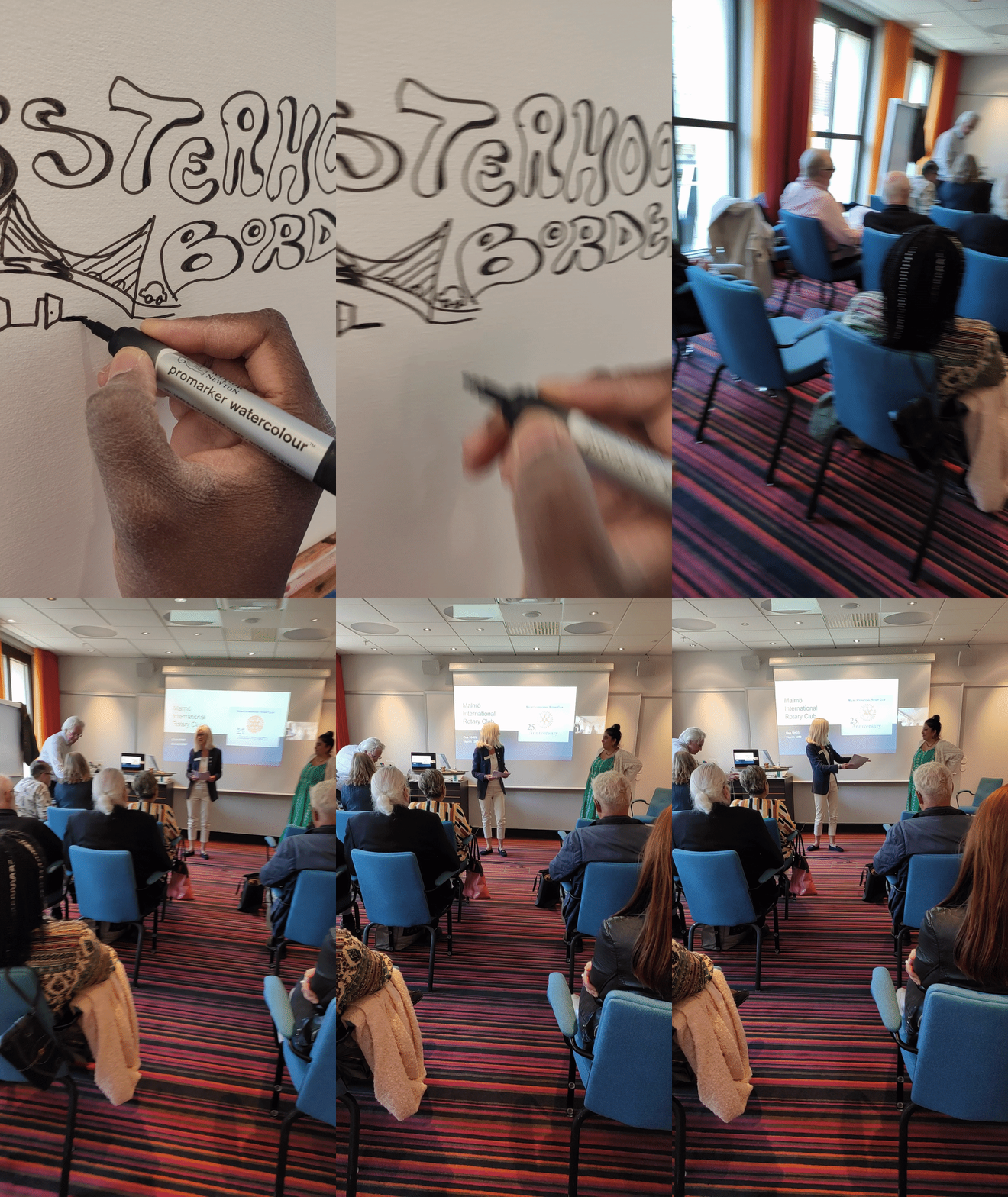
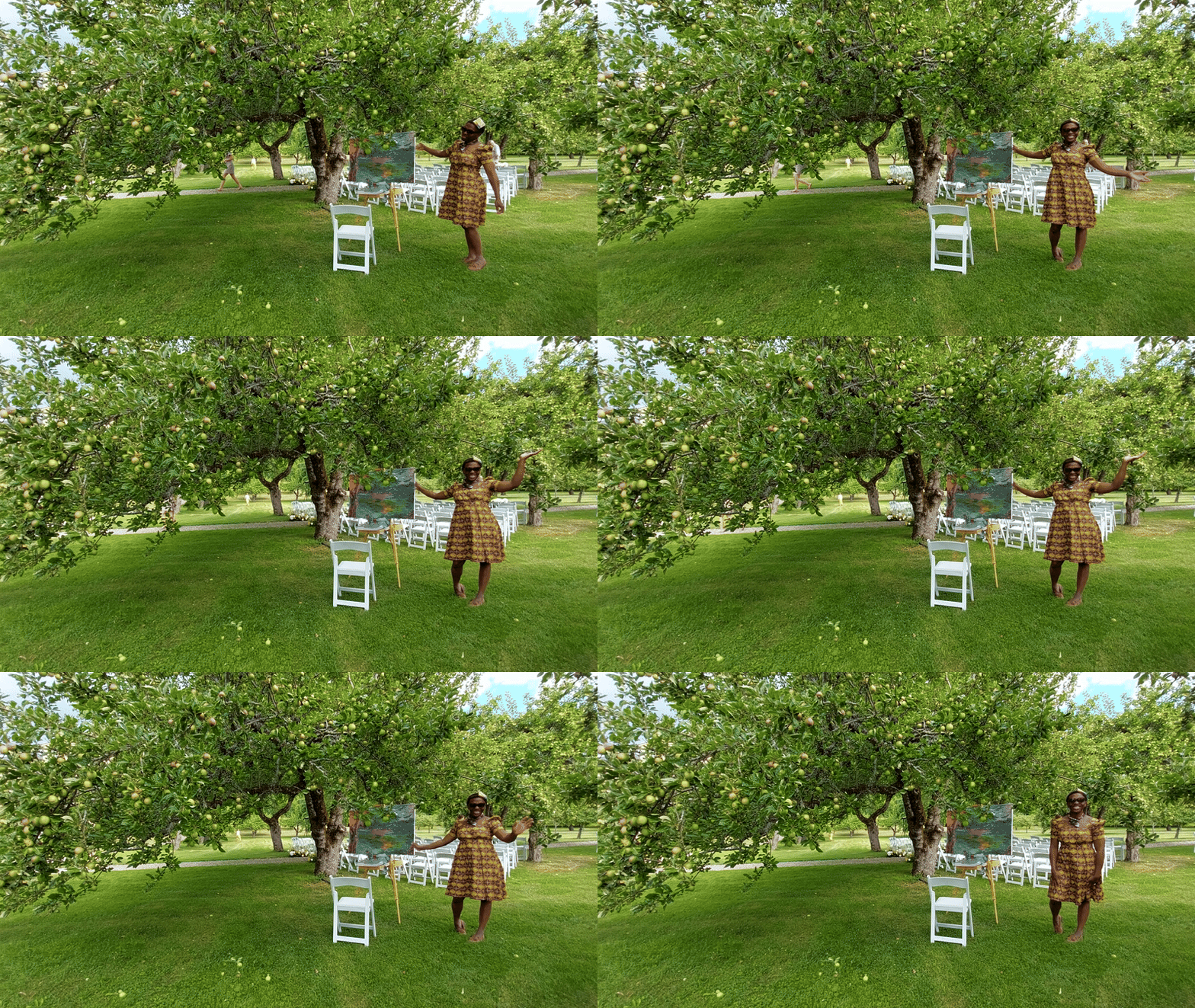
Dr Abiose M O Haara MD is a polymath. She is specialist in family medicine who became a fine artist in 2018 while heavily pregnant. Early in her career as an artist, she realised what art could be and she wanted to create art of impact, art that could impact lives on a global scale and in a legendary way, like Leonardo da Vinci.
HIGH LUXURY WEDDINGS
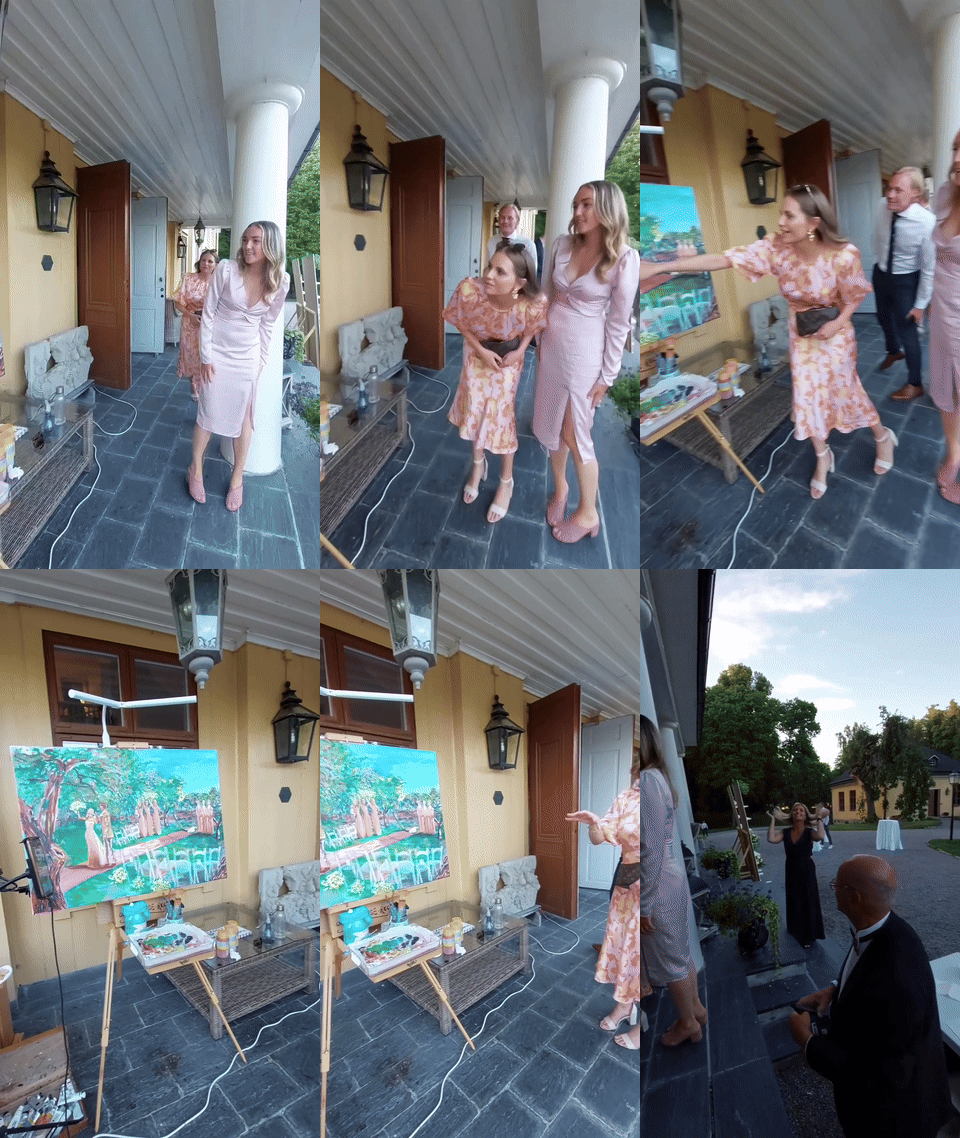
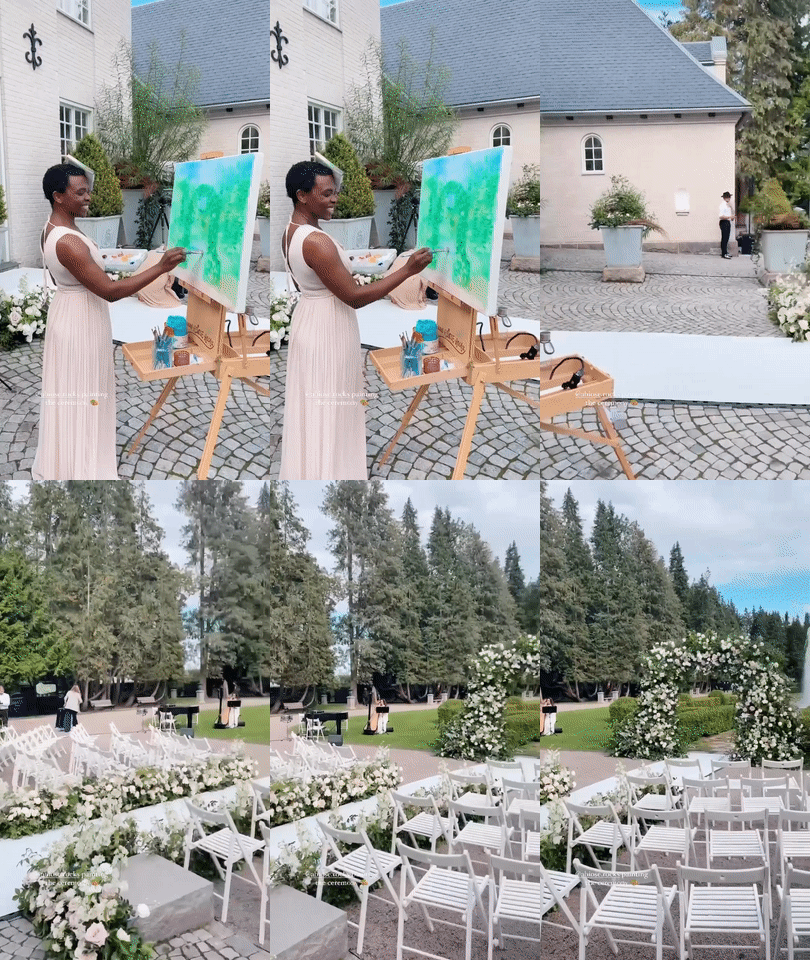
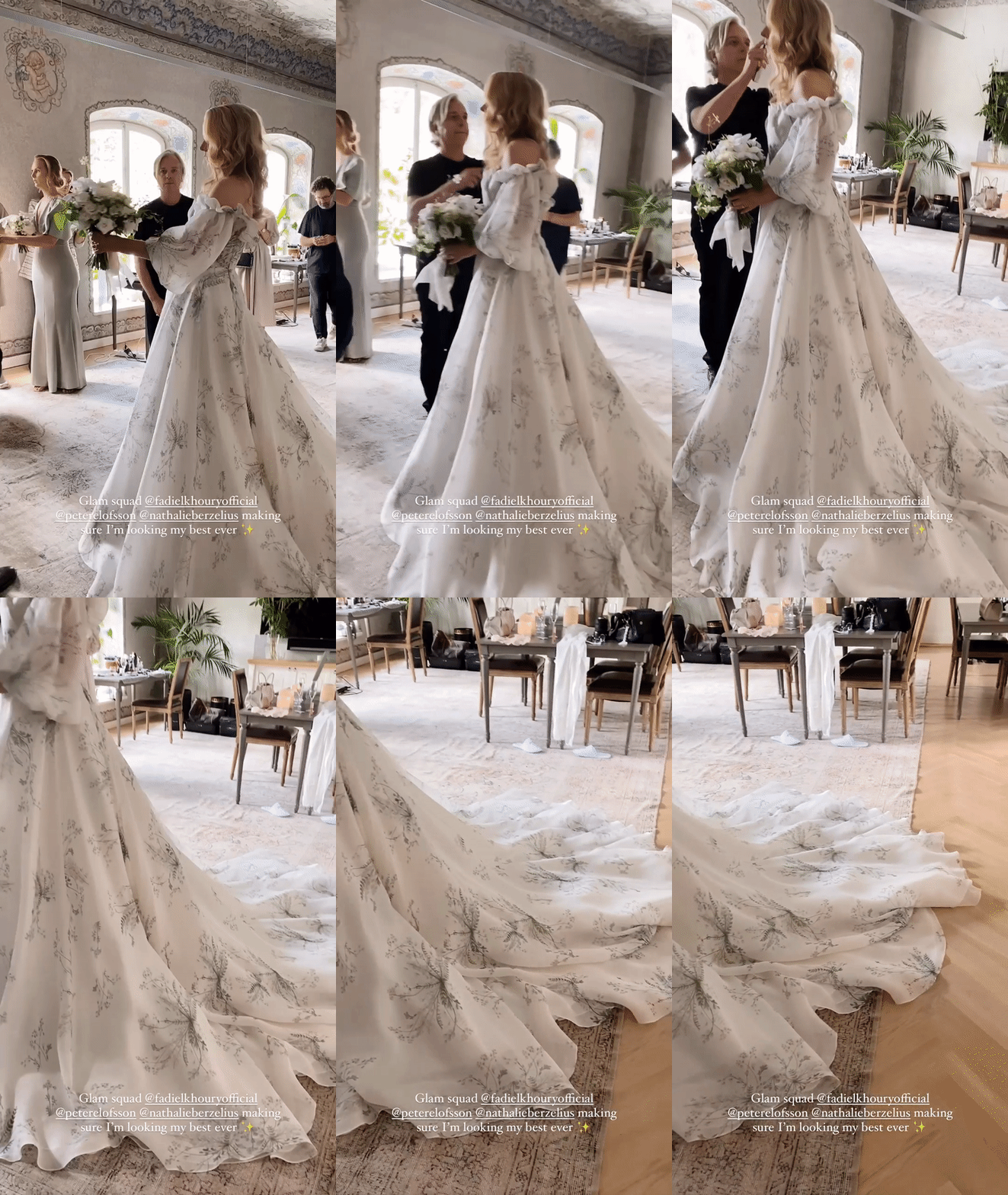
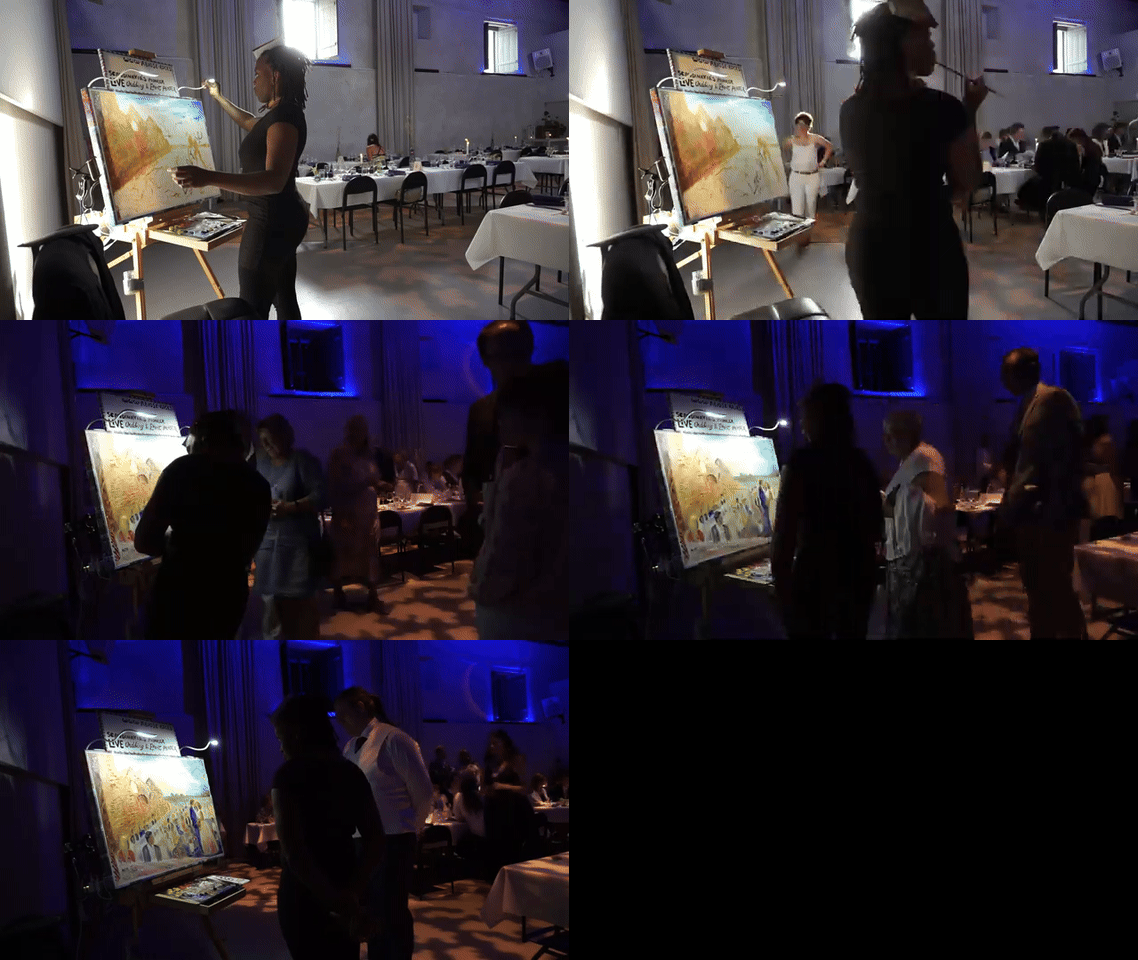
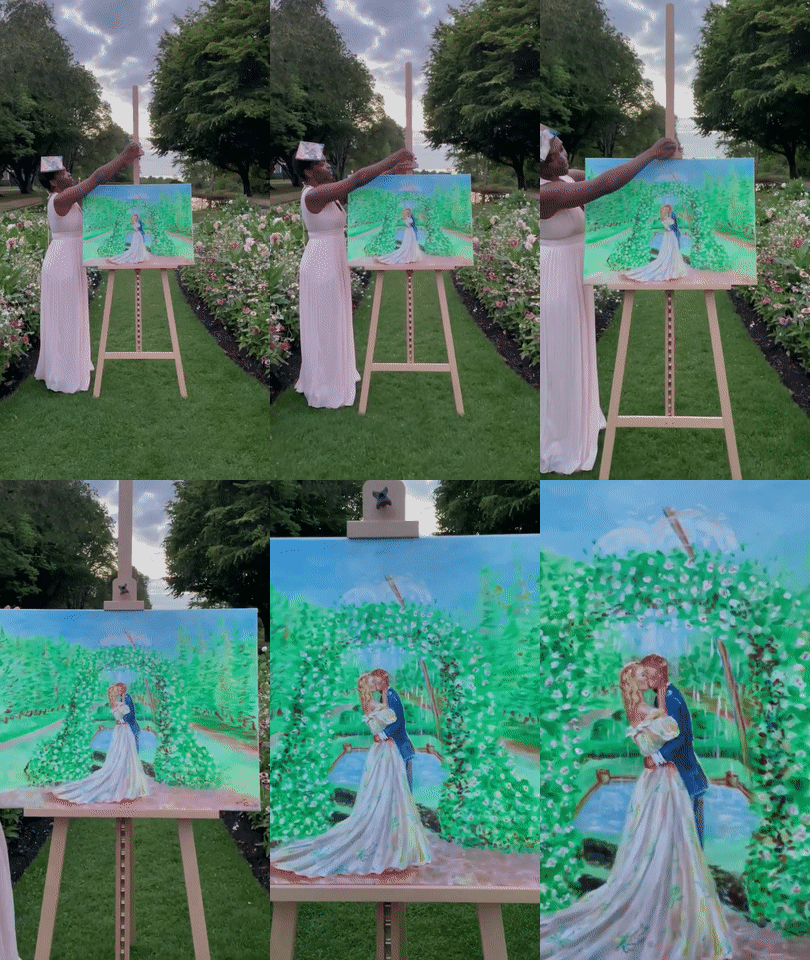
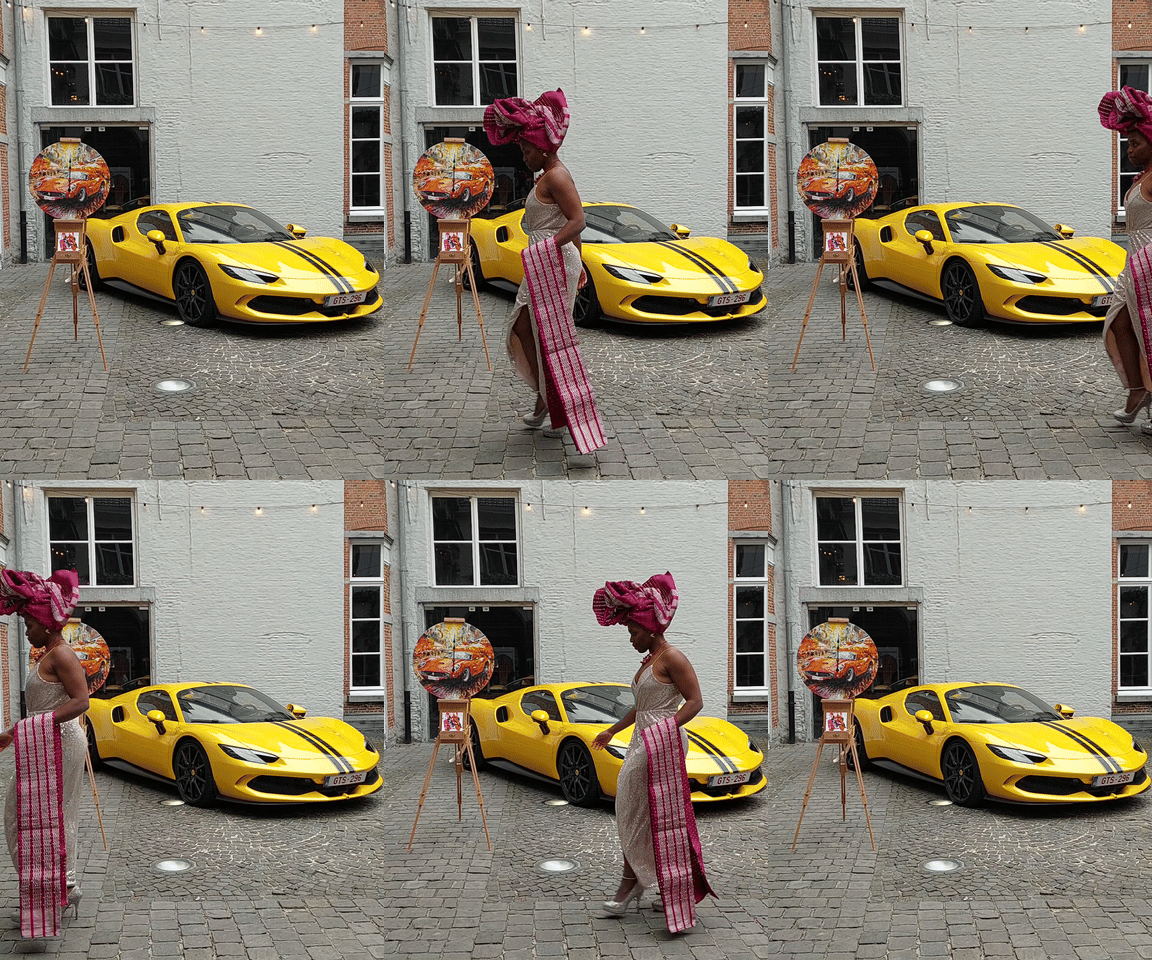
She started her art career as a live wedding and event painter and still holds this value near and dear to her heart, because life is where love is, life grows where love grows. In this regard, she works with couples for up to year long projects, working with them not just for the wedding, but also their marriages.
AUTOMOTIVE ART
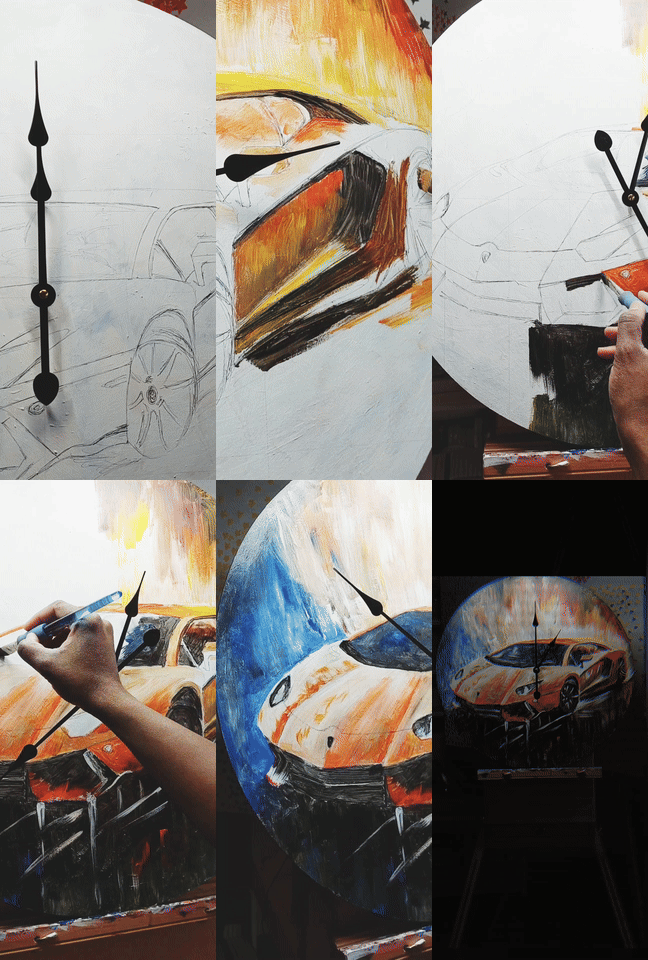
I also enjoy automotive art!
PHILOSOPHICAL ART
While on her commercial journey, with a deep desire for legendary impact, she realised she had to while freefalling into art, build her own stage.
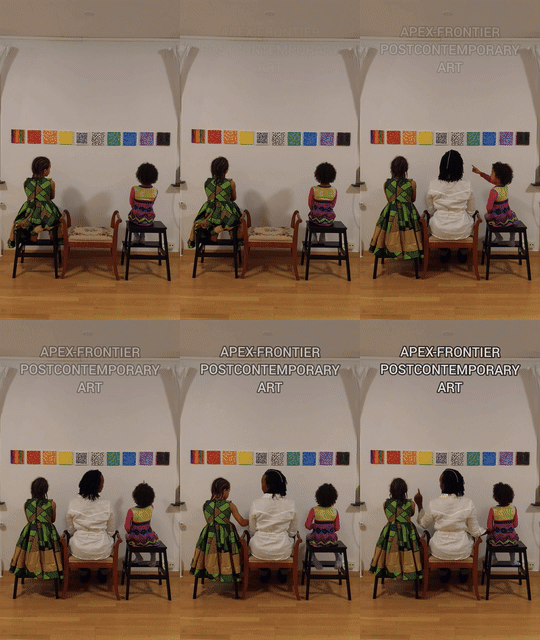
Soon after becoming an artist, the CEO of Sotheby’s became her mentor,. Soon after that, one of Africa’s most prominent art collectors became her founding patron. Somewhere during this time, she studied iconic luxury personal brands for a half a decade. She studied human art history from a Pangaean perspective, and found herself going far back into parietal art while studying renaissance. Sometime before all this, her desire for a Pangaean approach, gave a sense of elevation from it, a bird’s eye view; all of which led her to study the wisdoms, landscapes and peoples of Asia, Native Americas, the West, and Africa. During this time, she wrote a philosophical hypothesis.
All her autodidact studies, as well as lectures from her mentor, her patron and her group would cross paths at the time of her discovery of and realisation in African dinosaurs…
HISTORY
And the rest is history.
↑
specialist medical doctor
and extraordinary artist
building a sophisticated
portfolio of significance
and legendary impact
Discretion is paramount in my work